Effective dust control in a large flour mill factory is crucial for both safety and productivity. According to the National Institute for Occupational Safety and Health (NIOSH), flour dust can be an explosive hazard, as it creates a flammable environment. A recent report estimates that more than 100 incidents related to dust explosions in mills occur each year globally. This highlights the urgent need for efficient dust control strategies.
Industry expert Dr. John Harris emphasizes the importance of comprehensive management systems. He states, "To effectively control dust in a large flour mill factory, continuous monitoring and proactive measures are essential." Implementing technologies like vacuum systems and dust collectors can dramatically reduce airborne particles, ensuring workplace safety. However, the challenge remains in maintaining these systems and training staff adequately.
While many mills have adopted good practices, gaps still exist. Some factories experience inconsistent dust control due to budget constraints or lack of awareness. Regular audits and improvements in dust management can lead to safer and more efficient operations. Addressing these challenges is not just about compliance but about fostering a culture of safety and responsibility within the industry.
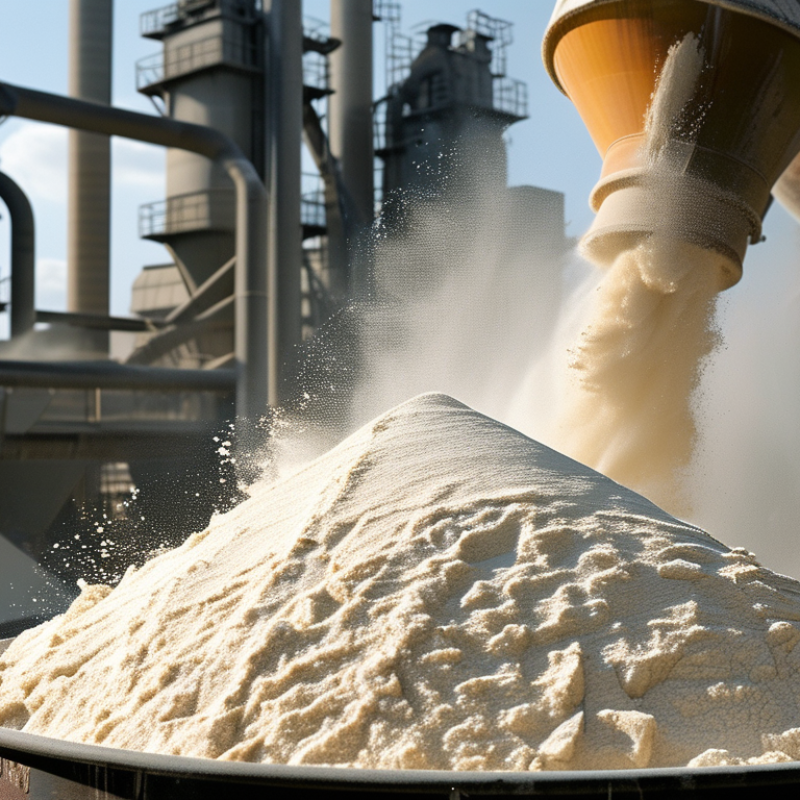
Dust control in flour mills is crucial for both safety and efficiency. Understanding the sources of dust is the first step. Flour milling processes, such as grinding and sifting, generate significant amounts of dust. Research indicates that these activities can produce dust concentrations exceeding 10 mg/m³. This poses health risks and can lead to combustible dust events if unmanaged.
The primary source of flour mill dust is the raw materials. Grain particles, when processed, create fine dust that can linger in the air. Additionally, the transportation of flour and byproducts like bran contributes to dust emissions. According to industry data, up to 50% of the dust in a mill can arise during these transfer processes. This reveals the need for improved handling techniques and dust control systems.
Regular monitoring is key to managing dust effectively. Many mills conduct routine dust sampling to assess levels. This data helps identify areas requiring better control measures. Even with established practices, challenges remain. Some dust control technologies may not perform as intended, requiring periodic reassessment. Implementing proactive measures ensures a safer working environment while adhering to regulatory standards.
Dust control in large flour mill factories is critical for maintaining air quality and ensuring safety for workers. Effective dust control systems not only enhance productivity but also comply with industry standards. Data from the National Institute for Occupational Safety and Health (NIOSH) indicates that exposure to flour dust can lead to respiratory issues. Implementing advanced dust control equipment can significantly reduce airborne particulate matter and improve workplace health.
One effective strategy is the installation of dust collection systems. These systems capture dust at its source, preventing it from spreading throughout the facility. Regular maintenance of these systems ensures optimal performance. Filtering technologies can remove up to 99% of dust particles. However, investment in these technologies may be challenging for some mills due to budget constraints. It's important to assess the cost-benefit ratio before implementation.
Tips for effective dust control include conducting regular inspections of equipment and maintaining clean workspaces. Ensure that employees are trained in proper cleaning techniques. Encourage them to use personal protective equipment (PPE) when dust levels rise. Overlooking these practices can lead to increased dust accumulation and potential safety hazards. Constant evaluation of dust control measures is advisable to adapt to evolving industry standards.
Maintaining dust control in a large flour mill is crucial for safety. Regular maintenance of dust control systems helps prevent explosions and health risks. Ensure that all dust collection equipment is inspected frequently. Look for wear and tear. Replace any worn-out parts immediately.
Check air filters often. Clogged filters can reduce efficiency. Clean or replace them as needed. This ensures that the dust collection system operates effectively. Workers should have clear guidelines on how to maintain equipment. Training is essential. However, not everyone may follow procedures perfectly. Regular audits can help identify gaps in adherence.
Don’t forget to monitor the environment around the mill. Dust can accumulate in hidden areas. Routine cleaning schedules should include all zones, not just the prominent spots. Some areas might be harder to access. These often go unchecked. This can lead to bigger problems later. Encourage feedback from employees about maintenance practices. Listening can enhance overall safety and operational efficiency.
Effective employee training is crucial for managing dust in large flour mill factories. A well-structured training program can significantly reduce dust-related risks. According to the American Society of Safety Professionals, implementing such training can lead to a 30% decrease in accidents related to dust explosions. Employees must understand the potential hazards of dust accumulation and the importance of maintaining cleanliness.
Safety protocols should be clearly communicated during training sessions. Employees need to know how to use dust control equipment effectively. Hands-on training can enhance understanding and retention. The National Institute for Occupational Safety and Health emphasizes that practical demonstrations can improve safety outcomes by 20%. However, implementation is often inconsistent, leading to a need for regular refresher courses.
Additionally, creating a culture of accountability is essential. Workers should feel responsible for reporting dust hazards. Open communication lines can foster a safer working environment. However, many mills report that employees hesitate to speak up, often due to fear of repercussions. This atmosphere can undermine training efforts and safety initiatives. Encouraging feedback and addressing concerns openly can help bridge this gap.
Monitoring dust control effectiveness in a large flour mill factory is crucial for employee safety and environmental compliance. Effective measurement entails regular assessments of dust levels in various areas of the facility. According to the National Institute for Occupational Safety and Health (NIOSH), workplace dust concentrations should not exceed 15 mg/m³ for total particulates. Continuous dust monitoring systems can provide real-time data, enabling quick responses to excessive dust levels.
Evaluating dust control measures is vital. It involves analyzing data collected from monitoring systems and field assessments. Reports indicate that, on average, dust control measures can reduce airborne particulate matter by 50% or more when properly implemented. However, many facilities still struggle with achieving consistent results. For instance, some operators may neglect regular maintenance on dust collection systems, leading to a decline in performance over time.
Moreover, employee feedback is essential in this evaluation process. Workers should be encouraged to report dust presence and any malfunctioning control systems. Their firsthand experience can highlight gaps in the control measures. In one case study, factories that prioritized employee input noted a 30% increase in dust control effectiveness. It’s clear that a comprehensive approach to monitoring and evaluation is necessary for sustaining effective dust management in flour mills.
: The dust mainly comes from raw materials and processing activities. Grinding and sifting create fine dust particles.
Milling processes may produce dust concentrations exceeding 10 mg/m³. This level poses health risks and safety concerns.
Transportation of flour and byproducts, like bran, contributes significantly to dust. Up to 50% of mill dust arises from these transfers.
Regular dust sampling helps identify areas needing better control. This ensures a safer workplace and compliance with regulations.
Well-structured training can decrease dust explosion accidents by 30%. Employees learn about hazards and cleanliness importance.
Practical demonstrations can improve safety outcomes by 20%. They enhance understanding and retention of safety protocols.
Regular refresher courses are often lacking, leading to inconsistent knowledge. Employees may forget protocols without reinforcement.
A culture of accountability encourages reporting hazards. However, fear of repercussions often hinders open communication about safety.
Encouraging feedback and addressing concerns openly can create a safer environment. It helps strengthen training efforts and safety initiatives.
Some dust control technologies may not perform as expected. Periodic reassessment is needed to ensure their effectiveness over time.
Effectively controlling dust in a large flour mill factory is essential for maintaining a safe and productive work environment. The process begins with a thorough understanding of the sources of dust generated during flour milling, such as raw material handling, grinding, and packaging. To manage these dust sources, it is crucial to implement effective dust control systems and equipment, which can include dust collectors, cyclones, and ventilation systems.
In addition to the installation of control systems, regular maintenance is key to ensuring their functionality and effectiveness. Best practices for maintaining dust control measures should be established, alongside comprehensive employee training programs focused on dust management and safety protocols. Lastly, ongoing monitoring and evaluation of dust control effectiveness will help in making necessary adjustments and ensuring compliance with safety standards. By following these strategies, factories can significantly improve their ability to control dust in a large flour mill factory.

Jiujie Machine